
Water Extraction and Drying in Brownstown
When water is spreading through your Brownstown home, Brownstown Water Restoration delivers fast, around the clock emergency response across Jackson County. Our IICRC certified crews handle the full job from extraction through reconstruction and coordinate directly with your insurance carrier.
When every line is tied up with another homeowner, we call you back within 15 minutes.

Brownstown Water Restoration provides 24/7 water damage restoration in Brownstown, IN. From emergency water removal and flooded basement cleanup to sewage backup and structural drying, IICRC certified crews respond around the clock and coordinate with your insurance carrier on approved claims. Call (812) 515-1567 for immediate dispatch.
- Services: water damage restoration, basement flooding, sewage cleanup, storm damage
- Service area: Brownstown, Jackson County, IN and surrounding areas
- Response time: Same day for Brownstown inquiries; 24/7 emergency service available
- Licensed and insured (License #RC21100059)
- Serving Brownstown, IN since 2018
Schedule Your Free Damage Assessment
A proper inspection in a Brownstown home is a room by room walkthrough, not a glance and a quote. We measure walls at multiple heights with non penetrating moisture meters, check baseboards and trim, probe subfloors, pull insulation in suspect cavities, and read behind cabinets, under sinks, around water heaters, behind washing machines, and along the basement perimeter and slab joints. Thermal imaging maps hidden cold spots where moisture has tracked, a penetrating meter confirms the readings, and a hygrometer logs ambient temperature and humidity. This matters because the most expensive failure in water restoration is missed moisture, the small pocket that fuels mold growth 30 days after the visible damage was repaired. Thorough mapping up front is what prevents Brownstown homeowners from calling a remediation company a month later for a problem that was already in the wall.
I agree to be contacted by Brownstown Water Restoration regarding my inquiry.
A flooded basement in Brownstown is not a wait-until-Monday problem. Groundwater intrusion, failed water heaters, and backed up floor drains push water into finished spaces fast, and drywall, carpet, and subfloor start absorbing immediately. Emergency water removal within hours is the difference between drying and demolition.
Antimicrobial treatment belongs in every category of water loss, and it's mandatory for gray and black water. Proper sewage cleanup in Brownstown means containment, removal of contaminated porous materials, cleaning, sanitizing, and verification, in that order, with the right protective protocols throughout.
A free water damage inspection answers the question every Brownstown homeowner asks after the shock: how bad is it really? Moisture readings, photos, and a written scope, before any commitment, is how that answer should arrive. Pressure is not part of the process.
Payment Options That Work for You
We partner with established lenders so Brownstown Water Restoration clients can spread the cost of a major restoration project into manageable payments. Ask your project lead about current options.
Pay for your project at a later time, but lock in today's pricing. Ideal for homeowners waiting on insurance settlements.
- No payments for 12 months
- No interest if paid in full
- Lock in current pricing today
Divide your project cost equally across 12 months with zero interest. Most homeowners choose this option for predictable budgeting.
- Equal monthly payments
- 0% interest for 12 months
- Simple, predictable budgeting
Spread your investment over up to 20 years with fixed equal payments. The right choice for larger projects or homeowners who prefer lower monthly amounts.
- Up to 20-year terms available
- Fixed equal payments
- Ideal for larger restoration projects
Subject to credit approval. Ask your project lead for current terms and promotions.
What Brownstown Water Restoration Does
Water damage looks different in every house, so each job starts with an inspection and a written plan.
Water Damage Restoration in Brownstown
Full scope water damage restoration for Brownstown homes, from emergency extraction and structural drying through controlled demolition and reconstruction. IICRC S500 protocols throughout.
Learn moreBasement Flooding in Brownstown
For Brownstown addresses, basement flooding response including water extraction, dehumidification, perimeter assessment, and drying of affected framing, drywall, insulation, and flooring in full basements and finished lower levels.
Learn moreSewage Cleanup in Brownstown
Serving Brownstown: category 3 sewage cleanup with full containment, PPE protocols, removal of contaminated porous materials, antimicrobial treatment, and verification before reconstruction.
Learn moreStorm Damage in Brownstown
In Brownstown, restoration of water intrusion from severe storms, including wind driven rain, compromised building envelope failures, and groundwater pushed in by saturated soils.
Learn moreCommercial Water Restoration in Brownstown
For Brownstown addresses, water damage restoration for commercial properties, including retail, office, and light industrial spaces, with crews trained to minimize operational downtime during mitigation.
Learn moreCommercial Flood Damage Cleanup in Brownstown
For Brownstown addresses, commercial flood cleanup including bulk water extraction, structural drying, content pack out where required, and coordination with property managers and insurance carriers.
Learn moreCommercial Sewage Cleanup in Brownstown
Serving Brownstown: commercial sewage cleanup executed under containment with full PPE, decontamination of affected materials, antimicrobial application, and documentation suitable for health and insurance review.
Learn moreCommercial Mold Remediation in Brownstown
For Brownstown addresses, commercial mold remediation per IICRC S520, including containment, negative air with HEPA filtration, removal of affected materials, and post remediation verification.
Learn moreCommercial Storm Damage in Brownstown
In Brownstown, commercial storm damage water restoration, addressing water intrusion through compromised envelopes, structural drying, and reconstruction of affected building components.
Learn more
Local Expertise, Real Results
Documented moisture readings, IICRC S500 protocols, and the same crew from extraction through final paint on every Brownstown job.
Brownstown Water Restoration runs water restoration the way the IICRC writes about it in S500. For Brownstown homeowners that means a documented Category determination before any equipment goes down, calculated drying targets logged daily, and verification in writing before reconstruction starts. The rigor protects your home and your claim.
Brownstown Water Restoration provides water damage restoration in Brownstown and the surrounding Jackson County communities, including Seymour, Medora, Vallonia, Crothersville, and Cortland. We have spent years responding to burst pipes, sewage backups, basement flooding, and storm water intrusion across this part of southern Indiana, which means we know how water moves through the ranch homes, full basements, and crawl spaces that make up most of the local housing stock. Our crews are IICRC certified, licensed, and insured, and we run the job from the first moisture reading through final paint. Brownstown homeowners reach a 24/7 emergency line, not a callback queue, when the water is rising right now.
Every Brownstown water restoration job we run follows the IICRC S500 standard for water damage, and any mold work we perform is executed to the IICRC S520 standard. That means a structured approach: initial moisture assessment with thermal imaging and meter readings, controlled extraction, structural drying with monitored air movement and dehumidification, antimicrobial application where contamination is present, and verification that materials have reached dry standard before any reconstruction begins. Categories matter here. Category 1 supply line breaks dry out very differently than Category 3 sewage events, and we scope each loss accordingly. The result is documentation your carrier expects and drying that actually finishes rather than hiding moisture behind fresh drywall.
Our Promise
Three commitments to every Brownstown homeowner who calls us. First, fast emergency response any time of day or night, with extraction equipment ready to deploy on arrival. Second, IICRC certified technicians trained to the S500 standard, working a documented scope rather than guessing. Third, a free on site inspection before any work begins, and full coordination with your insurance carrier if you have an active claim. Plain communication, written assessments, and no pressure to commit before you understand the scope.
Reasons Brownstown Homeowners Stay With Us
Every Brownstown job documented to IICRC standard, scoped before work begins, and carried from extraction through final paint by the same restoration company.
Fast Emergency Dispatch
When a supply line lets go at 2 AM, every hour without extraction expands the damage. Brownstown Water Restoration runs a 24/7 emergency line for Brownstown with extraction equipment, dehumidifiers, and air movers staged on the truck. A certified technician leads the crew so assessment and mitigation start the moment we arrive.
IICRC S500 Trained
Our technicians are IICRC certified and work to the S500 standard for water damage restoration. In practice that means documented moisture readings, Category and Class determination before drying equipment goes in, and verification that materials have reached dry standard before reconstruction. Standards exist so the job actually finishes.
Mitigation Through Rebuild
Most Brownstown water restoration jobs need more than drying. We handle extraction, structural drying, controlled demolition, and then the rebuild: drywall, insulation, flooring, paint, trim. One crew, one schedule, no waiting weeks for a separate contractor to start the reconstruction phase after the dehumidifiers leave.
Insurance Coordination
We work with your insurance carrier directly, documenting the loss with photos, video, written moisture maps, and a scope of work that matches industry standard. Most major insurance carriers expect this level of detail. Brownstown homeowners stay informed, and we handle the paperwork the adjuster needs.
Real Jobs. Real Results.
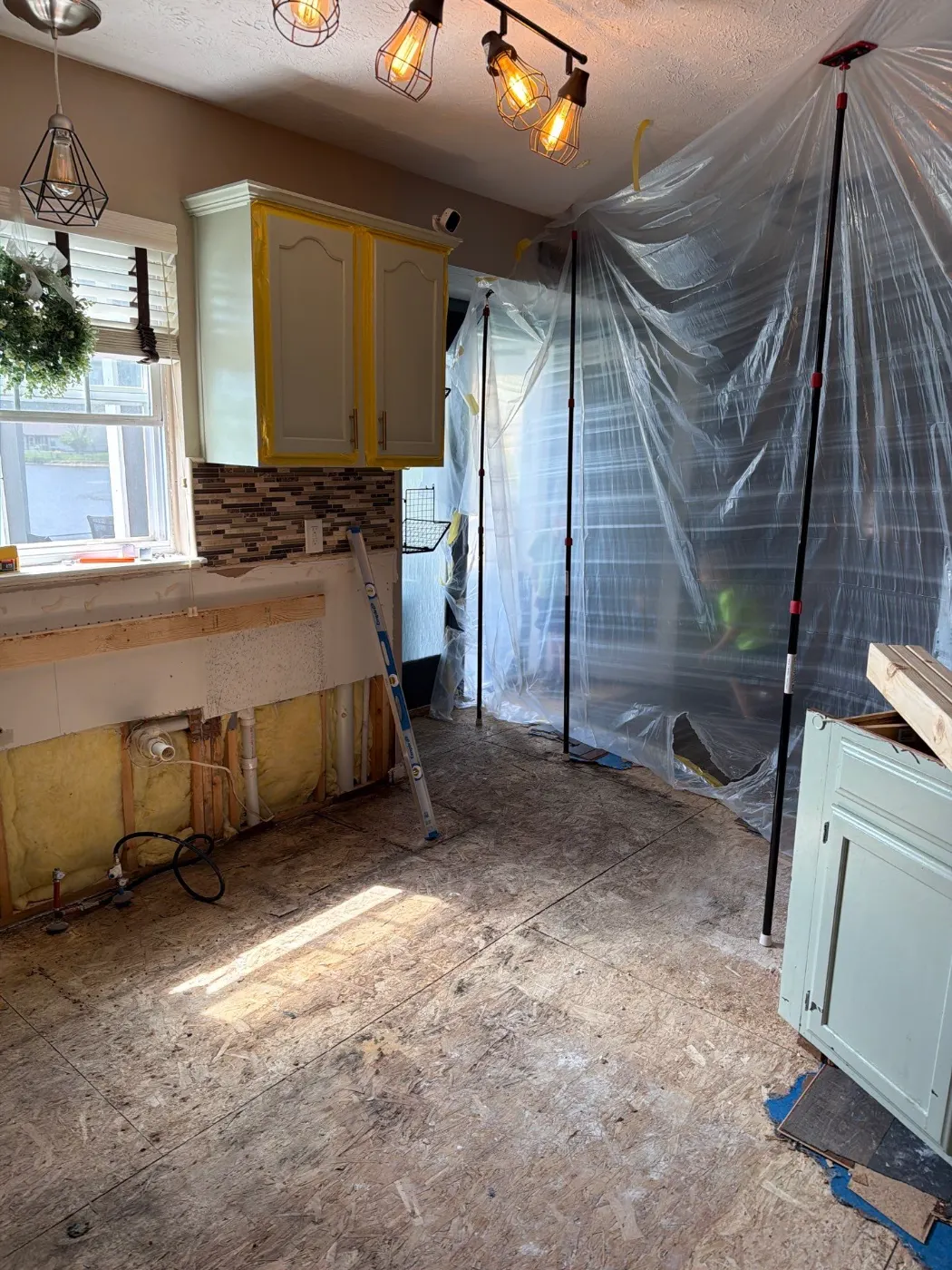
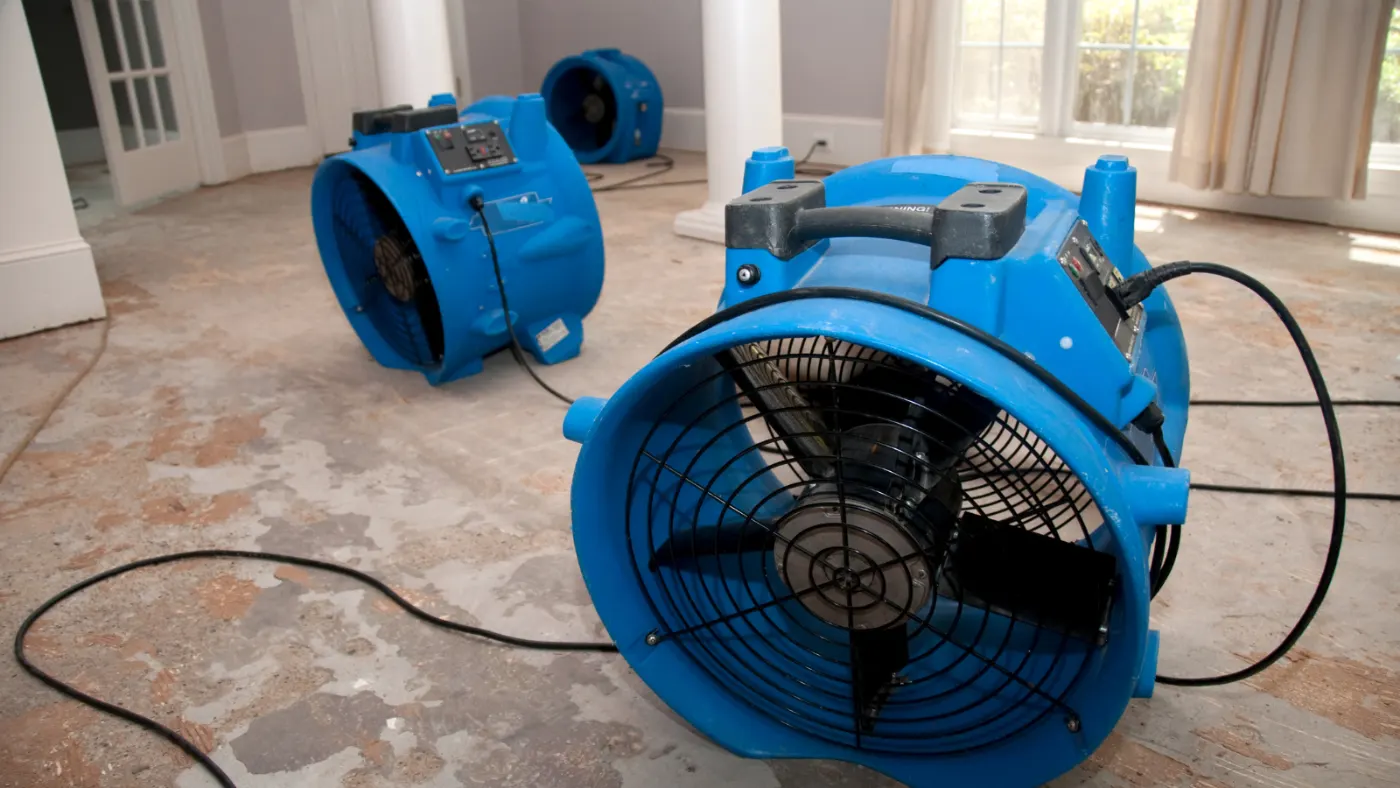
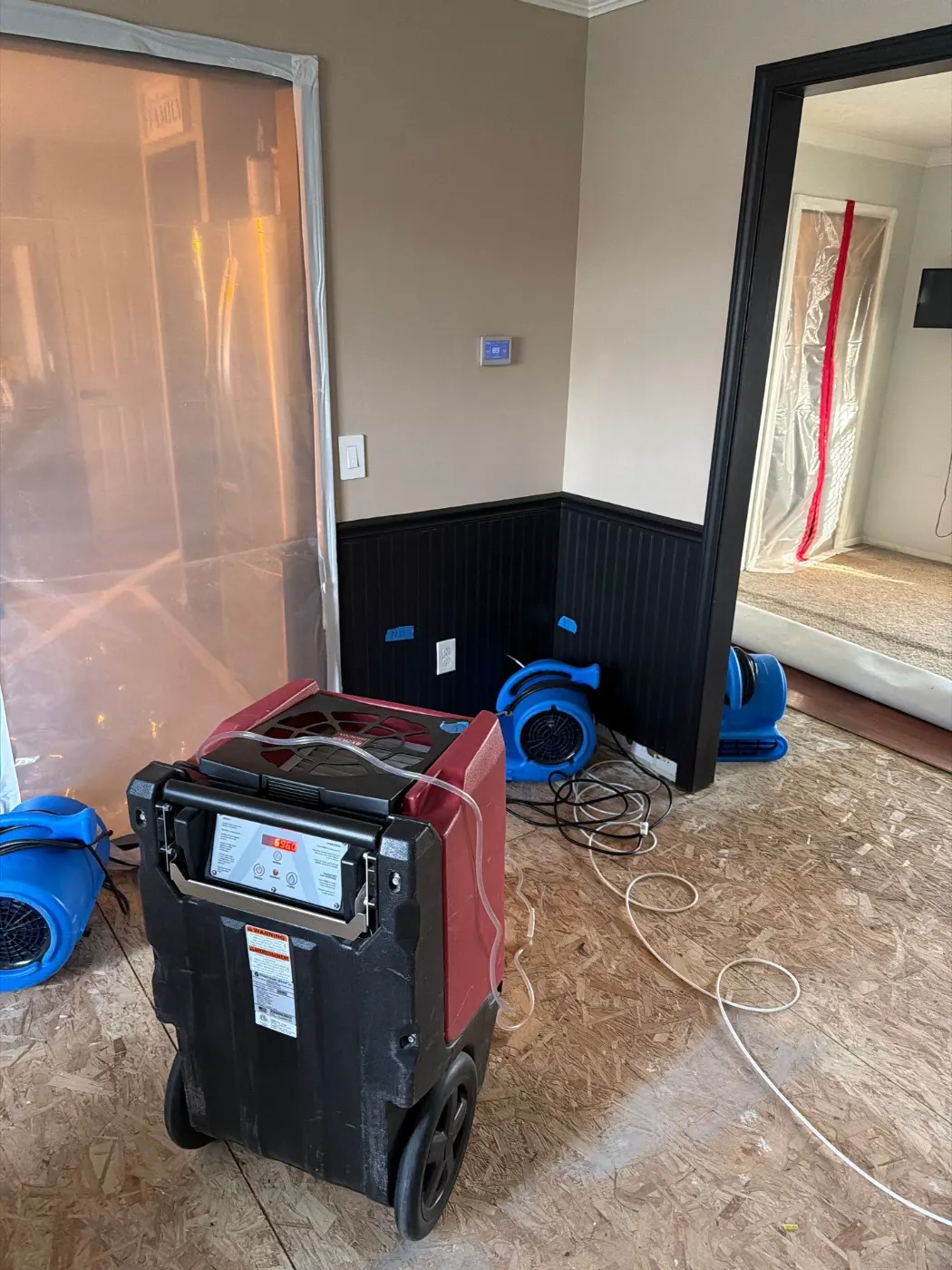
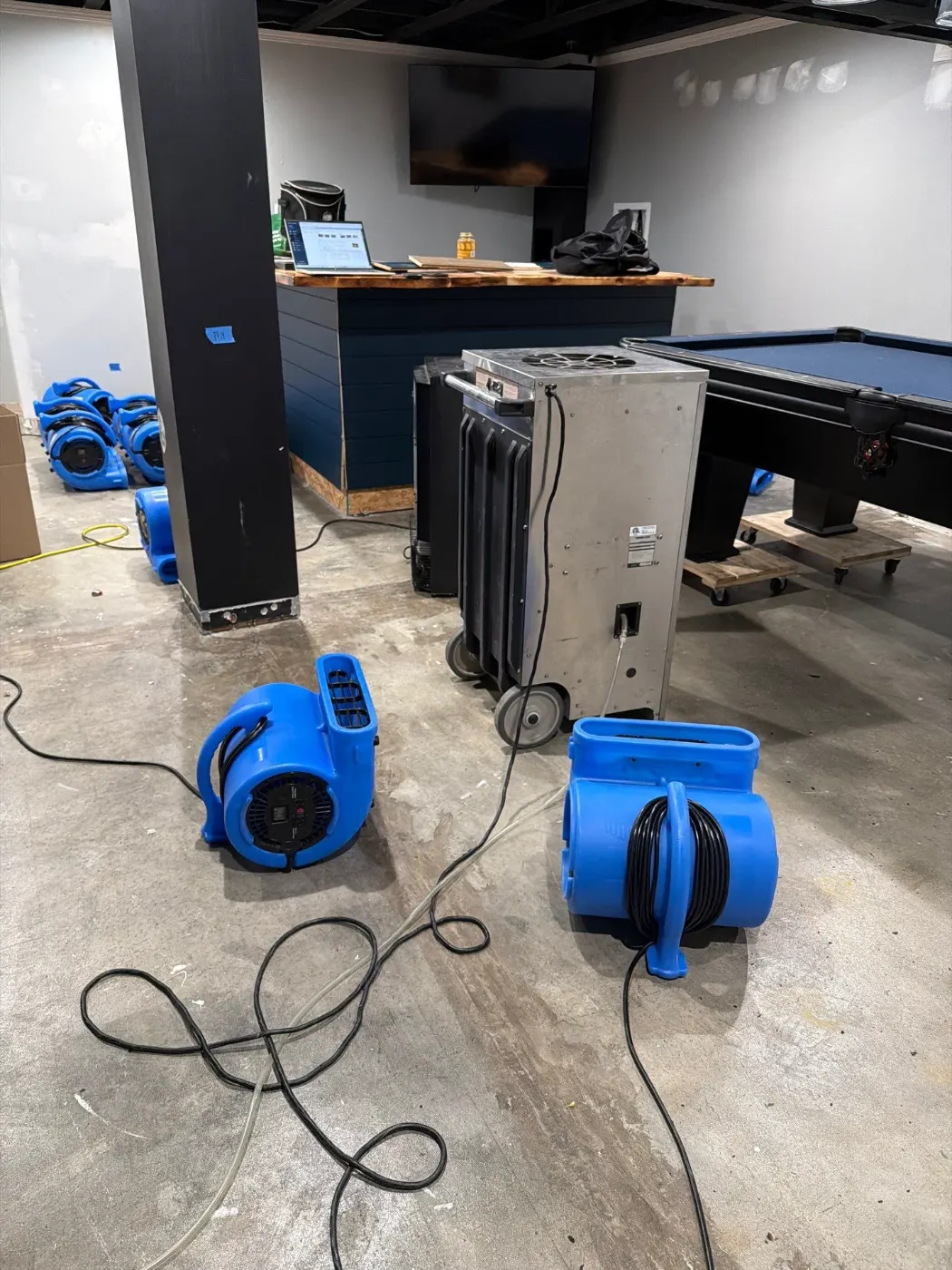
Actual restoration projects completed across Brownstown and Jackson County, including basement flooding, burst pipe cleanups, sewage events, and full reconstructions after storm driven water intrusion.


The Brownstown Water Restoration Process
The first phase is assessment. When we arrive at a Brownstown property, a certified technician walks the loss with you, locates and confirms the source (broken supply line, dishwasher or washer failure, sewage backup, storm intrusion through a damaged envelope), and reads affected materials with thermal imaging and moisture meters. Water is classified per IICRC S500 as Category 1 (clean), Category 2 (gray), or Category 3 (black), and the affected area is mapped before any equipment is set. This walkthrough typically takes one to two hours and sets the scope for everything that follows.
Next comes documentation and insurance coordination. Before mitigation begins, we photograph and video every affected area, log meter readings into a written moisture map, and contact your insurance carrier or adjuster. Scope of work is matched to your coverage, and mitigation steps are justified per industry standard so the claim moves cleanly. Most Brownstown homeowners never see this paperwork, we handle it directly with the carrier while the drying equipment runs. If your deductible or coverage limits raise questions, we walk you through what we are seeing in plain language before work proceeds.
Then the work itself. Air movers and commercial dehumidifiers are placed based on structural drying calculations for the affected square footage and material types. Daily monitoring tracks moisture content with logged readings until materials match the dry standard of unaffected areas in the home. Controlled demolition happens only where materials cannot be dried in place. From there, reconstruction picks up the same job: drywall hung, taped, and finished, flooring replaced, trim reinstalled, paint matched. The Brownstown homeowner sees the loss carried from first call to final walk through.
Rapid Dispatch
Our 24/7 emergency line routes Brownstown calls to a crew with extraction equipment, dehumidifiers, and air movers staged and ready. A certified technician leads the response, so assessment and water removal begin on arrival rather than after a second truck shows up with the right gear.
Category Determination
Per IICRC S500, water is classified as Category 1 (clean supply line, appliance overflow), Category 2 (gray water from dishwashers, washers, toilet overflow without solids), or Category 3 (sewage, floodwater, long standing contamination). The category drives PPE, materials handling, and which assemblies can be dried in place versus removed.
Insurance Partnership
We work with your insurance carrier, document the loss thoroughly, and justify scope against industry standard. Invoicing stays transparent, and there is no hidden fees. You see the same scope the adjuster sees, and questions get answered before the work proceeds.
Verified Dry Standard
Drying is not done when it looks dry. It is done when moisture meter readings on affected materials match unaffected reference points in the home. Daily monitoring logs the progression, and reconstruction does not start until those numbers confirm the structure is actually dry.
Common Brownstown Water Emergencies
Refrigerator Ice Maker Line
That quarter inch line feeding the ice maker is the smallest supply in the house and the one nobody looks at. It gets pinched when the refrigerator slides back, then weeps behind the unit where nothing is visible until the flooring cups.
Heavy Rain and Saturated Ground
Ground that has already taken a week of rain has nowhere to put the next storm. The water table comes up, pressure builds against the foundation, and it finds the cold joint, the tie holes, and the open block cores.
Roof Leak Reaching the Ceiling
Attic water damage is measured, not guessed. Moisture mapping across the ceiling plane shows how far the wet area runs past the visible stain, and that map decides what gets dried and what gets replaced.
Dishwasher Leak Under the Cabinet
Kitchen leaks travel along the underside of the cabinet run and drop through the first opening they find. In a Brownstown home over a finished basement, the first sign is a stain on the ceiling below, a room away from the appliance that caused it.
Toilet Supply Line Leaks
Toilet supply lines fail more often than any other plumbing component in Brownstown homes. Pinhole leaks can run undetected for hours, causing ceiling damage to the floor below.
Fire Sprinkler Discharge
One sprinkler head puts out a great deal of water in a short time, and none of it stops until the system is shut down at the riser. Fire, freeze, or something that struck the head, the result is the same: a water loss on every floor below it.
First Hour Checklist for Brownstown Homeowners Facing Water Damage
Your first job is to stop more water from coming in, and your second is to keep everyone safe from what's already there. After that, a few small moves protect your floors and furniture until our crew gets to your Brownstown home.
1. Close the main valve first
Find the main shutoff and close it all the way. A round handle turns clockwise, and a lever handle turns so it sits across the pipe. If the valve won't move, your water utility can usually shut off service at the meter.
2. Stay clear of anything electrical
Stay out of any room where water has reached outlets or extension cords. If the breaker panel is dry and you can reach it without standing in water, switch off the breakers for the wet area. If you can't reach it safely, call your electric utility.
3. Treat sewage water with care
Water from a sewer backup can carry bacteria, so avoid touching it with bare skin. Close the door to the affected room if you can, and keep everyone on a dry floor until the crew arrives with protective gear.
4. Move what you can't replace
Carry keepsakes and important papers to a dry room upstairs. Then pick up anything sitting on a wet floor, starting with cardboard boxes and anything made of paper, since those soak up water quickly.
5. Lift furniture off wet carpet
Slide aluminum foil or plastic lids under the legs of wood furniture so stains don't bleed into the carpet. Pull up throw rugs and hang them somewhere dry, since they hold water against the floor underneath.
6. Leave wet drywall and carpet in place
It's tempting to start pulling things out, but leave wet drywall and carpet where they are. Our crew takes the damage photos and moisture readings before anything is removed, and that record goes into your photo report.
7. Wipe down what you can
Wipe water off wood furniture and counters with dry towels, and set wet cushions on their sides so they drain while you wait for the crew. Keep the towels you use in a bucket or the tub so they don't soak another floor.
8. Call before the water spreads further
The sooner the crew starts drying, the more of your floors and walls can be saved. Call as soon as the water is off, even late at night, since our dispatch line runs 24/7.
After these steps, the next move is a call to our dispatch line so a crew can start extraction at your Brownstown home.
Three Simple Steps
The work follows three steps, and the photo report keeps a record of each one.
The Phone Call
Arriving fast is how a flood stays a repair. Everything from extraction to containment is already staged.
Mapping the Damage
Hidden cavities get checked and every reading goes in the map. We handle the back end paperwork so you handle your household.
Dry, Then Done
Meter readings confirm dry standard before reconstruction, typically 3 to 5 days in Brownstown. Contaminated material is bagged, logged, and disposed of properly.
How the Photo Report Works After Water Damage in Brownstown
A photo report puts what's inside your walls and floors in front of you in pictures and numbers. We build it from the first visit through the last day of drying, then go over it with you in plain language.
Where the water came from
The report starts at the source. If a supply line failed or a drain backed up, the crew photographs the part that failed and where it sits, so you know exactly what needs fixing before the water can come back.
What a thermal camera shows
A thermal camera picks up the cooler surfaces that wet materials leave behind. When the crew uses one, the images go in the report next to the meter readings that confirm what the camera found.
Pictures from start to finish
Photos go into the report at each stage of the job, starting with the damage the crew found when they first walked in. By the end, you have a visual history of the room from wet to dry.
What has to be removed
When a material is too wet to save, the report says so and shows the readings and photos that back it up. You'll know the reason for every cut before the crew makes it.
Progress you can follow
Each visit adds a new set of readings and photos, so the report shows the drying day by day. If one spot dries slower than the rest, you'll see it in the numbers along with what the crew is changing to fix it.
We walk you through it
Once the first readings are in, we sit down with you and go through the report in plain language. You can see what's going on inside your walls from your living room and ask about anything that doesn't make sense.
A record that's yours
Keep the report with your home records. We document damage with a photo report and walk you through what we found, so you can decide with your insurance company. Your policy will say what's covered, so read it before you call them.
Call our dispatch line, and the crew will begin your photo report as soon as they reach your Brownstown home.
What to Ask Before You Hire in Brownstown
Ask any restoration company in Brownstown these questions before you sign a work authorization.
How will you show me it's dry?
Ask for moisture readings on the first visit and the last one, so you can see the numbers reach dry standard.
Can I see an itemized estimate?
Ask for every line item in writing. Many insurers price water losses in Xactimate, so an estimate in that format is easier for an adjuster to review.
Does my policy require a certain company?
Ask your adjuster before you sign anything, and read the work authorization so you know what you're agreeing to.
What happens if you find mold?
Ask how mold behind walls or under floors gets handled, and whether that work is priced apart from the drying.
Who handles repairs after drying?
Ask who replaces drywall, flooring, paint and trim once the structure is dry, and whether one company can do both stages.
Who will be working in my home?
Ask whether the crew works for the company you called or for a subcontractor, and who's in charge on site each day.
Indiana Weather Drives Restoration Calls Year Round
Indiana weather drives a predictable rhythm of water damage calls across Brownstown. Spring brings saturated soils and basement intrusion along the East Fork White River corridor. Summer thunderstorms push wind driven rain through compromised envelopes. Winter cold snaps freeze older galvanized supply lines and trigger burst pipe calls overnight.
Spring Saturation Flooding
Southern Indiana springs stack heavy rain on already saturated soils, and the East Fork White River corridor near Brownstown is especially vulnerable. Hydrostatic pressure pushes groundwater through foundation walls and cove joints, soaking basement perimeters. When sump pumps fail or get overwhelmed, we extract, dry the affected materials, and treat for contamination.
Winter Pipe Bursts
Indiana cold snaps freeze supply lines in exterior walls, crawl spaces, and unheated basements, and the older galvanized and early copper plumbing common in Brownstown is particularly prone to joint failure and pinhole leaks. A burst line can release hundreds of gallons before anyone is home. We extract fast and set drying equipment the same day.
Severe Thunderstorms
Summer storms across Jackson County drive water through compromised window wells, door thresholds, and any breach in the building envelope. Wind driven rain finds weaknesses you did not know existed. When storm water enters a Brownstown home, we assess the intrusion path, extract standing water, and dry the structure before mold has a chance to start.
Ice Dam Backups
When attic heat melts snow that refreezes at the eaves, water backs up under the roof line and runs into ceilings and exterior walls. Brownstown homes with older insulation see this regularly. We dry the affected assemblies, remove saturated insulation, and address the water damage. Roofing repairs are handled by your roofer.
Neighborhood Coverage in Brownstown
The Brownstown neighborhoods we cover, with notes on the homes in each one and where water usually gets in.
Where we respond near Brownstown
From Brownstown out to the nearest towns around it, we dispatch crews 24/7.

Restoration Considerations Specific to Brownstown
The housing stock, the weather, and the failure points we see here.
About Brownstown Homes
The median construction year for Brownstown homes is 1977, with the bulk of the housing stock built between the 1950s and 1980s; roughly 20% of homes predate 1940 and only about 14% were built after 2000. Homes from the mid-20th century era typically feature galvanized or early copper plumbing, while post-1990 infill and newer construction shifted toward copper and eventually PEX. Brownstown's housing stock is dominated by single family detached homes, with a notable share of ranch style and brick ranch builds on modest lots with small attached or detached garages. Many mid century and later homes in the rolling terrain of southern Indiana are built with full basements or crawl spaces rather than slab on grade foundations, making basement water intrusion a recurring concern; mobile and manufactured homes also account for a significant share of the housing landscape.
Where We Work in Brownstown
We cover homeowners across Brownstown near Jackson County Courthouse, Jackson County Historical Society Museum, Brownstown Central High School, Heritage Park, Starve Hollow State Recreation Area, Brownstown Speedway, Jackson-Washington State Forest, Brownstown Public Library.
Surrounding Areas We Serve
Our crew also covers Seymour, Medora, Vallonia, Crothersville, Cortland, Norman.
Recent Weather Patterns
The East Fork White River, which runs through the Brownstown area, has a well documented flood history: the June 2008 flood affected residences across the Seymour, Brownstown, and Medora areas after a tsunami like flood wave from the Columbus area sent the river to near record crest levels, causing millions of dollars in damage across Jackson County. The region carries persistent river flood risk, with no Corps of Engineers flood control reservoir upstream, meaning heavy rain events upstream rapidly translate to inundation threats for low lying properties near the East Fork White River and its tributaries such as Ballard Creek, Hough Creek, and White Creek.
What Our Crew Sees in Brownstown
Brownstown sits directly on the East Fork of the White River with several tributary creeks,Ballard, Hough, and White Creek,flowing through the township, placing a meaningful portion of the housing stock within or near flood prone corridors and making sump pump dependency common in full basements. The large share of homes built between the 1940s and 1980s means aging galvanized and early copper supply lines are widespread, increasing the probability of pinhole leaks, joint failures, and freeze thaw burst pipe events during the cold Indiana winters. The town's older sewer infrastructure, combined with wet spring seasons fed by snowmelt and heavy rainfall on top of already saturated southern Indiana soils, creates elevated risk for sewer backup and foundation water intrusion in basements across the historic core and mid century neighborhoods alike.
The Brownstown Area
As of the 2026 estimate, Brownstown has a population of approximately 3,165 residents with a median household income of roughly $62,756 and a poverty rate near 10.7%. The community skews slightly older (median age ~40.7) with a high rate of owner occupied housing (~73,80%) and a predominantly working- and middle class household profile.
How We Work a Water Loss in Brownstown
What the equipment does, what containment is for, and who rebuilds.
Emergency response on a Brownstown Category 1 or Category 2 loss starts on the truck. Commercial water extraction equipment pulls standing water, commercial dehumidifiers sized to the affected square footage start pulling moisture out of the air, professional air movers push air across wet materials, and moisture meters plus thermal imaging map where the water has tracked. Extraction begins promptly on arrival, structural drying setup is completed the same day, and daily monitoring continues with logged readings until materials hit dry standard. We contain the work zone with plastic where needed, protect unaffected areas, and walk you through what to expect day by day. Most Brownstown Category 1 losses dry in three to five days. Category 2 typically runs four to seven, depending on the materials affected and the building envelope.
Specialized containment is required for Category 3 water (sewage backup, river floodwater, long stagnant water with biological contamination) and for full mold remediation under IICRC S520. Containment is built with 6-mil plastic barriers floor to ceiling, entry points sealed, and negative air machines pulling contained air through HEPA filtration before exhausting outside the work zone. Technicians work in full PPE: Tyvek suits, N95 or P100 respirators per S520, nitrile gloves, and eye protection. Contaminated porous materials are cut, bagged, and disposed of per protocol. Antimicrobial is applied to remaining structure, and when warranted, post remediation air sampling verifies the work. This is the phase where IICRC certification matters most. Corner cutting here is what produces the long term health complaints and the lawsuits.
Reconstruction picks up where drying ends. The scope typically includes drywall hung, taped, mudded, sanded, primed, and painted; flooring replaced (carpet and pad, vinyl plank, hardwood refinished, tile reset); trim and baseboards reinstalled or replaced; cabinetry repaired or replaced; doors rehung; and electrical and plumbing finish work coordinated with licensed trades. One project number runs from the first call through the final walk through. One project manager is your point of contact. One schedule, one final invoice. Many restoration companies hand off to a separate general contractor after the dehumidifiers leave, which means two crews, two billing cycles, and weeks of a house sitting in demolition between phases. We carry the job through instead.
What Happens During the Days Your Brownstown Home Is Drying
You can stay in the house through most of the dry out while air movers and dehumidifiers run around the clock in the wet rooms. The crew checks them each day until the readings show your home is dry.
Expect steady noise
Air movers sound like strong box fans, and dehumidifiers add a low hum. A closed door between a bedroom and the equipment helps at night, and the crew can sometimes angle a unit away from a bedroom wall if the noise carries.
Keep everything plugged in
Turning the equipment off slows the drying and can add days to the job. If the noise is a problem at night, call us and the crew will look at the setup with you on their next visit.
Closed doors help
When the crew closes off a room, the equipment dries a smaller space faster. Keep those doors shut as much as you can, and pass through quickly when you need to get in.
The equipment uses a lot of power
Drying equipment draws a steady load, so the crew spreads it across different circuits. If a breaker trips, reset it once, and call us if it trips again so the crew can move a unit.
Keep kids and pets clear
Keep children and pets away from the cords and the warm air coming off the machines. If a room is sealed off with plastic, leave the plastic up until the crew takes it down.
Tell us what you notice
You live in the house, so you'll notice changes between visits, like a new stain or a smell that wasn't there before. Mention them on the next visit, or call us if something seems wrong.
Humidity after the job
CDC recommends keeping indoor humidity as low as you can, no higher than 50 percent all day long. After the equipment leaves, a basement dehumidifier and a working bathroom fan help keep it there.
The last day of drying
On the final visit, the crew takes one more set of readings to confirm the wet areas are dry. Then the equipment comes out and the rooms are ready for any repairs they need.
When the last readings come back dry, we'll go over the photo report with you and plan any repairs your home needs.
Sources: CDC, About Mold
Water damage pricing in Brownstown
Mitigation ranges calibrated to the Brownstown market. Final pricing depends on water volume, materials affected, and IICRC Category.
Brownstown Questions About Cost, Coverage, and Timing
The questions Brownstown homeowners ask us most often, answered in plain language.
Expert Brownstown Restoration Crews Available Now
If water is spreading through your Brownstown property right now, call for fast emergency dispatch and we will be moving toward you while we stay on the line. Free on site inspection, no obligation, and we coordinate directly with your insurance carrier from the first reading forward.